
7 Mistakes You're Making with Surplus Fund Recovery (and How to Fix Them)
Let's be real for a second, going through a foreclosure is tough. Like, really tough. And the last thing you need is to accidentally leave money on the table because you didn't know any better.
Here's the thing: when a foreclosed property sells for more than what was owed, that extra money (called "surplus funds") legally belongs to you, the former homeowner. But claiming it? That's where things can get tricky. And unfortunately, a lot of folks make mistakes along the way that cost them time, energy, and sometimes the funds themselves.
So grab your coffee, and let's walk through the seven most common surplus fund recovery mistakes people make, and more importantly, how you can avoid them.
Mistake #1: Paying Upfront Fees
Let's start with a big one. If someone contacts you about your surplus funds and asks for money upfront before they've recovered a single dollar? That's a major red flag.
Why it's a problem: Scammers absolutely love targeting people who've been through foreclosure. They know you might be desperate to recover some money, and they'll use that to get cash out of you before delivering anything.
How to fix it: Only work with legitimate recovery services that operate on a contingency basis. That means they don't get paid unless you get paid. No recovery, no fee. It's that simple. If someone wants your credit card number before they've done any work, walk away.

Mistake #2: Not Verifying That Surplus Funds Actually Exist
I know it sounds obvious, but you'd be surprised how many people assume there are surplus funds waiting for them without actually checking first.
Why it's a problem: Just because your property sold at auction doesn't automatically mean there's extra money. The opening bid at a foreclosure auction isn't always the full amount owed, sometimes it's just a fraction of the appraised value. You could spend weeks chasing funds that don't exist.
How to fix it: Before you do anything, verify that the sale price actually exceeded what was owed on your mortgage (including fees, interest, and other liens). Your county clerk's office or the trustee handling the sale can usually provide this information. Or, you can work with a professional who knows exactly where to look and can confirm whether surplus funds exist for your property.
Mistake #3: Submitting Incomplete or Incorrect Documentation
Paperwork. Nobody's favorite word, right? But when it comes to claiming surplus funds, getting your documentation right is absolutely critical.
Why it's a problem: Missing signatures, incorrect information, or incomplete forms can delay your claim for months, or get it denied altogether. And once you're denied, fixing the problem and resubmitting takes even more time.
How to fix it: Double-check everything before you submit. Make sure you have:
Proof of identity
Documentation showing your ownership interest in the property
Any required claim forms filled out completely and accurately
If you're unsure what's needed, consider working with someone who handles surplus fund recovery regularly. They'll know exactly what each jurisdiction requires.

Mistake #4: Missing Critical Deadlines
Here's a harsh truth: surplus funds don't wait around forever. Every state and county has deadlines for filing claims, and if you miss them, that money could be gone for good.
Why it's a problem: Deadlines vary widely depending on where you live. In some places, you might have a few years. In others? Much less. And the longer you wait, the more likely other creditors or even the government might claim those funds.
How to fix it: Act fast. As soon as you learn about potential surplus funds, start the claim process. Don't put it off thinking you'll "get to it later." If you're not sure about the deadline in your area, reach out to a professional who can guide you. In California, for example, you generally have three years from the foreclosure sale date, but complications can arise the longer you delay.
Mistake #5: Giving Up After One or Two Attempts
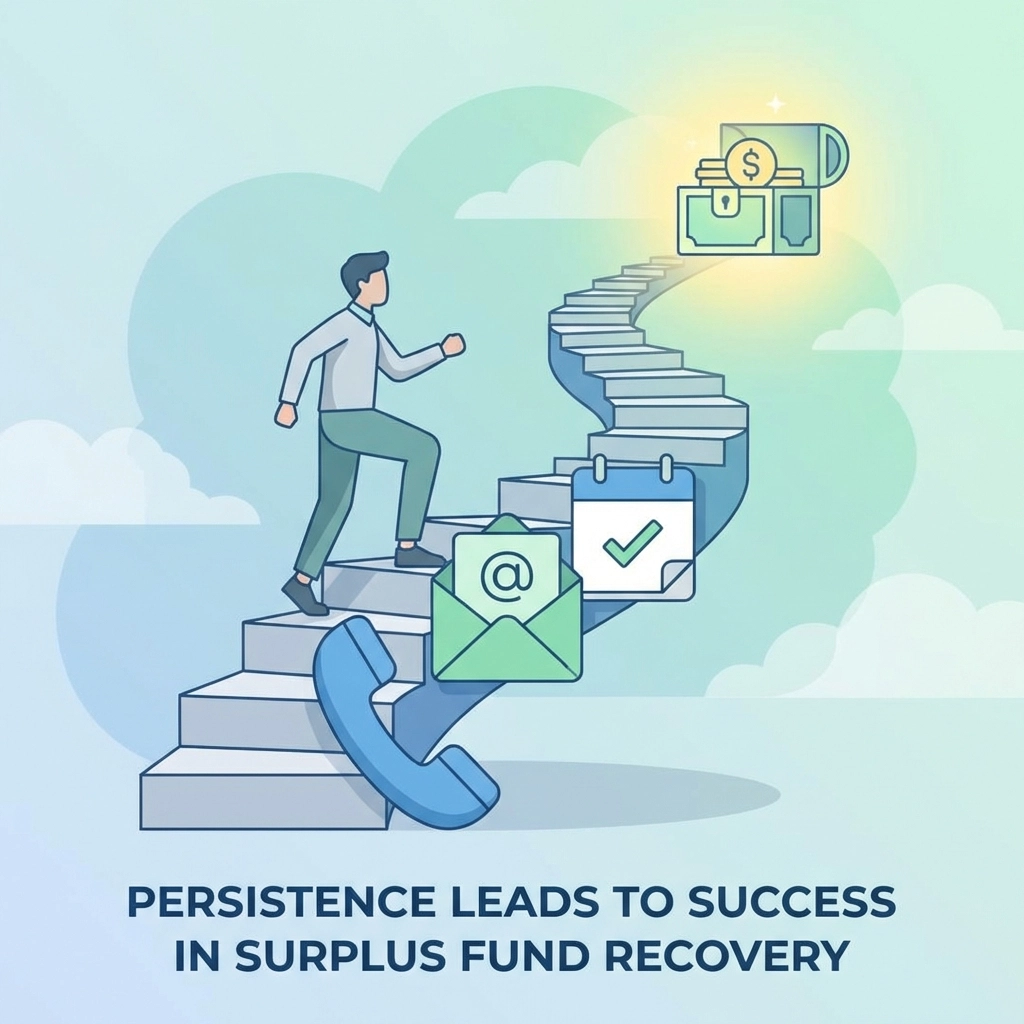
Look, I get it. You called the county, left a message, maybe sent an email... and heard nothing back. It's frustrating. But giving up too soon is one of the biggest mistakes people make.
Why it's a problem: Government offices and trustees handle hundreds (sometimes thousands) of cases. Your first call might get lost in the shuffle. That doesn't mean your claim isn't valid, it just means you need to be persistent.
How to fix it: Follow up. Then follow up again. Most successful claims happen after the second or third contact attempt. Keep records of when you called, who you spoke with, and what they said. Persistence really does pay off here.
Mistake #6: Trying to Do Everything Without Professional Help
I'm all for DIY projects, but surplus fund recovery isn't always the place to go it alone, especially if your situation is complicated.
Why it's a problem: The legal process for claiming surplus funds can be confusing. There might be competing claims from other parties, liens on the property, or specific court procedures you need to follow. One wrong move can delay your claim or even disqualify you.
How to fix it: Consider working with a professional who specializes in surplus fund recovery. At Heritage Surplus Solutions, we've helped countless former homeowners navigate this exact process. We understand the paperwork, the deadlines, and the follow-up required to get you the money you're owed.
If you're dealing with a particularly complex situation, like inherited foreclosed property or multiple potential claimants, having an expert in your corner can make all the difference.
Mistake #7: Expecting a Quick Payout
I wish I could tell you that claiming surplus funds is fast. But the reality is, this is a legal process, and legal processes take time.
Why it's a problem: Some people expect to file a claim and have money in their account within days. When that doesn't happen, they get discouraged and sometimes abandon the process entirely.
How to fix it: Set realistic expectations. Most surplus fund claims take anywhere from 30 to 120 days to process, and sometimes longer if there are competing claims or high caseloads in your area. This isn't a get-rich-quick situation. But if you're patient and stay on top of your claim, the payout is worth the wait.
Grab your free copy today: https://heritagesurplus.com/ebook
The Bottom Line: Don't Let Mistakes Cost You Money That's Rightfully Yours
Surplus fund recovery doesn't have to be overwhelming. Yes, there are pitfalls: but now that you know what they are, you can avoid them.
Here's a quick recap:
Never pay upfront fees for recovery services
Verify surplus funds exist before investing time and energy
Submit complete, accurate documentation
Don't miss deadlines: act quickly
Be persistent with follow-ups
Get professional help when needed
Stay patient: this takes time
If you're feeling overwhelmed or just want someone to handle the heavy lifting, that's exactly what we're here for. At Heritage Surplus Solutions, we work on contingency: which means we don't get paid unless you do. We'll verify your funds, handle the paperwork, meet the deadlines, and fight for every dollar you're owed.
Ready to find out if you have surplus funds waiting? Visit us at Heritage Surplus Solutions and let's get started. You've been through enough( let's make sure you get what's yours.)
