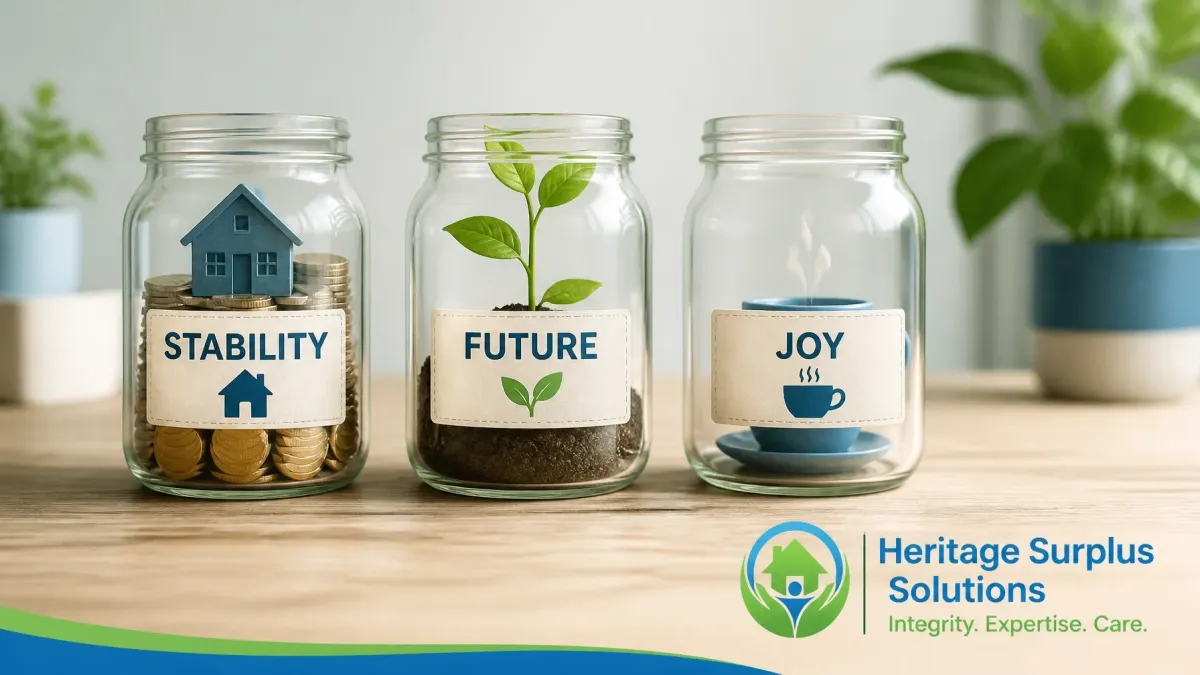
Invest, Save, or Treat Yourself? How to Split Your Surplus Funds for Maximum Impact
You did it. The paperwork is finished, the legal hurdles are cleared, and that check, the one we’ve been working so hard to get back for you, has finally arrived in your mailbox.
First of all, take a deep breath. Getting your surplus funds back after a foreclosure is a huge win, but we know the road to get here wasn’t easy. It was likely one of the most stressful periods of your life. Now that the dust has settled and the money is in your hands, you might be feeling a mix of relief, excitement, and maybe a little bit of "Wait, what do I do now?"
Think of this post as a coffee chat between friends. We’ve seen hundreds of folks go through this, and we’ve seen what works best to turn this one-time windfall into a fresh start. Whether you’ve recovered $5,000 or $50,000, let’s talk about how to allocate those surplus funds so they actually change your life for the better.
1. The "Cooling Off" Period
Before you buy a single thing or pay a single bill, do one very important thing: Nothing.
It sounds counterintuitive, right? But the psychological impact of foreclosure is real. When you suddenly have a lump sum of money after a period of intense financial scarcity, the urge to spend it, to fix everything all at once, is incredibly strong.
We recommend putting that money into a high-yield savings account (make sure it’s FDIC insured) for at least 14 to 30 days. Let the "newness" of the money wear off. This gives you time to move from an emotional state to a logical one. You’ve already avoided the common mistakes of the claim process; don't make a mistake with the payout!
2. Secure Your Foundation (The Stability Bucket)
The first place your money should go is toward things that keep you safe and stable. After a foreclosure, your "financial house" might need some repairs.
Secure Your Housing
If you’re currently renting, ensure you have a "housing reserve." This might mean setting aside three to six months of rent in a separate account. Knowing that your roof is secure for the next half-year provides a level of peace that money can’t usually buy.
The Emergency Fund

If you didn’t have a "rainy day fund" before the foreclosure, now is the time to build one. Aim for at least $1,000 to $2,000 immediately. Eventually, you’ll want to build this up to 3–6 months of living expenses. This is your insurance policy against life’s surprises so you never have to face a financial crisis like this again.
3. Breaking the Chains (The Debt Bucket)
Foreclosures rarely happen in a vacuum. Usually, there are other debts that have piled up, credit cards, medical bills, or personal loans.
Tackle High-Interest Debt
Using your surplus funds to pay off a credit card with a 24% interest rate is essentially the same as "earning" a 24% return on your money. It’s one of the smartest ways to invest foreclosure proceeds.
We often suggest the "Snowball Method" (paying off the smallest balances first for a quick win) or the "Avalanche Method" (paying off the highest interest rates first). Either way, reducing your monthly debt obligations will give you more "breathing room" in your budget every single month.

4. Investing in Your Future (The Growth Bucket)
Once your immediate needs are met and your high-interest debt is gone, it’s time to look forward.
Can I Own a Home Again?
The answer is yes! While a foreclosure stays on your credit report for seven years, many people are able to qualify for new loans (like FHA or VA) in as little as two to three years if they manage their finances well.
Consider taking a portion of your surplus funds and putting it into a dedicated "Future Home" account. Even if it's just a few thousand dollars, it’s a psychological anchor that says, "I am a future homeowner again."
Retirement and Growth
If you’re all caught up on bills, consider putting money into an IRA or a simplified brokerage account. If you're unsure where to start, looking into low-cost index funds is a great way to let your money grow over time.
5. Don’t Forget the "You" Bucket (Self-Care)
This might be the most controversial advice you'll hear from a financial professional, but we truly believe it: Spend a little on yourself.
Foreclosure is traumatic. It affects your sleep, your health, and your relationships. If you take 100% of your surplus funds and put them toward "serious things," you might feel a sense of resentment or burnout.

Allocate a small, fixed percentage: perhaps 5% to 10%: to something that brings you joy or helps you heal.
A weekend getaway to clear your head.
A gym membership or a few yoga classes.
A nice dinner with the family who stood by you.
That one pair of shoes or piece of tech you’ve put off for years.
Self-care after foreclosure isn't about being irresponsible; it's about acknowledging that you are a human being who has survived a difficult season.
The Heritage Surplus "Bucket System"
If you’re looking for a simple roadmap for your surplus funds allocation, try this "50/30/10/10" rule as a starting point:
50% to Stability: Rent reserves, emergency funds, and essential "catch-up" bills.
30% to Debt: Paying down credit cards or loans that are weighing you down.
10% to the Future: Savings for a new home or retirement investments.
10% to Joy: Self-care, small treats, and celebrating your fresh start.
Note: These percentages are just a guide! If your debt is zero, move that 30% to your future. If your housing is already 100% secure, move that 50% to your emergency fund.
What’s Your Next Step?
Every person’s situation is unique. If you're feeling overwhelmed by the options, we highly recommend chatting with a HUD-approved housing counselor or a financial planner. They can help you look at the big picture.
If you’re still in the process of wondering if you have money waiting for you, don’t wait. You can check out our DIY Roadmap or contact us today for a free, no-obligation consultation. We’re here to help you navigate the paperwork so you can get back to the important work of rebuilding your life.

You’ve been through the fire, and you’ve come out the other side. Now, let’s make sure that check in your hand turns into the foundation for your best chapter yet.
